Valentine's Day Clipart: A Designer's Guide to Heartfelt Visuals
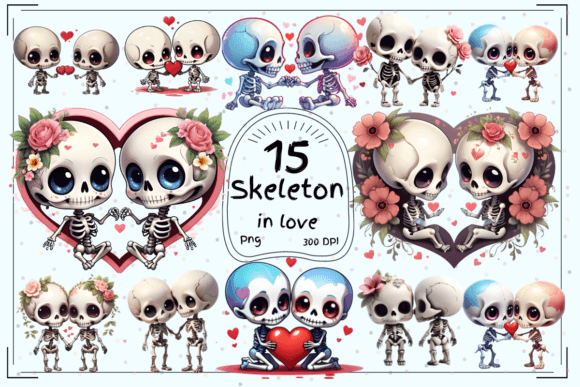
Infusing a project with the warmth and romance of Valentine's Day requires more than just a red color palette; it demands thoughtful visual elements that resonate with viewers. For designers and creators, high-quality Valentine's Day clipart offers a versatile toolkit for crafting compelling narratives, whether for a client's brand campaign or a personal creative project. This collection of digital assets provides immediate access to professionally designed hearts, florals, and romantic motifs, streamlining the design workflow while ensuring a polished, modern aesthetic.
The Strategic Value of Themed Clipart in Visual Design
In the realm of graphic design, clipart has evolved far beyond simple, cartoonish images. Today, it represents a curated library of scalable vector and high-resolution raster graphics that serve as foundational elements in complex compositions. For seasonal campaigns, particularly around Valentine's Day, these assets are invaluable. They allow for rapid prototyping and consistent visual storytelling across multiple platforms. A well-chosen set of clipart can define the mood, establish a visual hierarchy, and communicate a brand's personality—be it playful, elegant, or minimalist—without the need for extensive custom illustration from scratch.
Effective use of these resources hinges on understanding their role within a broader design system. They should complement, not overpower, typography and layout. The goal is to create a cohesive visual language where every element, from a delicate heart icon to a bold typographic header, works in harmony to guide the user's eye and reinforce the intended message. This approach is crucial for maintaining brand integrity while engaging audiences with timely, emotionally resonant content.
Practical Applications for Creative Projects
The utility of a well-curated Valentine's Day clipart set extends across numerous design disciplines. Its adaptability makes it a smart investment for professionals looking to enhance various deliverables efficiently. Consider integrating these assets into:
- Branding and Marketing Materials: Create cohesive social media graphics, email headers, and digital ads that capture the seasonal spirit while aligning with brand guidelines.
- UI/UX and Web Design: Use subtle heart icons or floral borders in website banners, promotional pop-ups, or mobile app interfaces to enhance user experience during a campaign.
- Editorial and Packaging Design: Add romantic accents to magazine layouts, blog post imagery, or product packaging for a limited-edition Valentine's release, elevating the unboxing experience.
- Presentation and Merchandise Design: Develop engaging slide decks for themed proposals or design unique merchandise like greeting cards, apparel prints, and stationery.
Tips for Selecting and Implementing Design Assets
Not all clipart is created equal. To ensure your final design is professional and effective, evaluate assets based on several key criteria. First, prioritize scalability and file format. PNG files with transparent backgrounds offer immense flexibility for layering, while vector formats (like SVG) are ideal for resizing without loss of quality. Second, assess the visual style and consistency. The clipart should align with your project's aesthetic—whether it's hand-drawn, flat design, or watercolor—to maintain a unified look.
Furthermore, consider color harmony and composition. A good clipart set provides elements that can be easily integrated into your existing color palette. When placing these graphics, apply core principles of visual hierarchy. Use them to draw attention to key areas, frame text, or create a balanced layout. Always ensure readability is not compromised; decorative elements should support, not obscure, the primary message. By thoughtfully integrating these assets, you enhance both the aesthetic appeal and the communicative power of your design, turning a simple project into a memorable visual experience.
Ultimately, the right creative assets are a catalyst for innovation and efficiency. They empower designers to produce high-impact work that captivates audiences and strengthens brand connections, proving that even seasonal themes can be executed with timeless professionalism and strategic intent.